
Risk, Aesthetics, and Digital Culture in Modern Cinema
Stories have always thrived on uncertainty. Whether it’s the outcome of a card game, the fate of a character, or the twists of a dramatic arc, cinema builds on tension and release. In today’s digital age, the culture of online gambling provides fresh metaphors for exploring how risk shapes narrative. Audiences are drawn to experiences where the stakes feel immediate, mirroring the thrill of placing a bet on an unpredictable outcome.
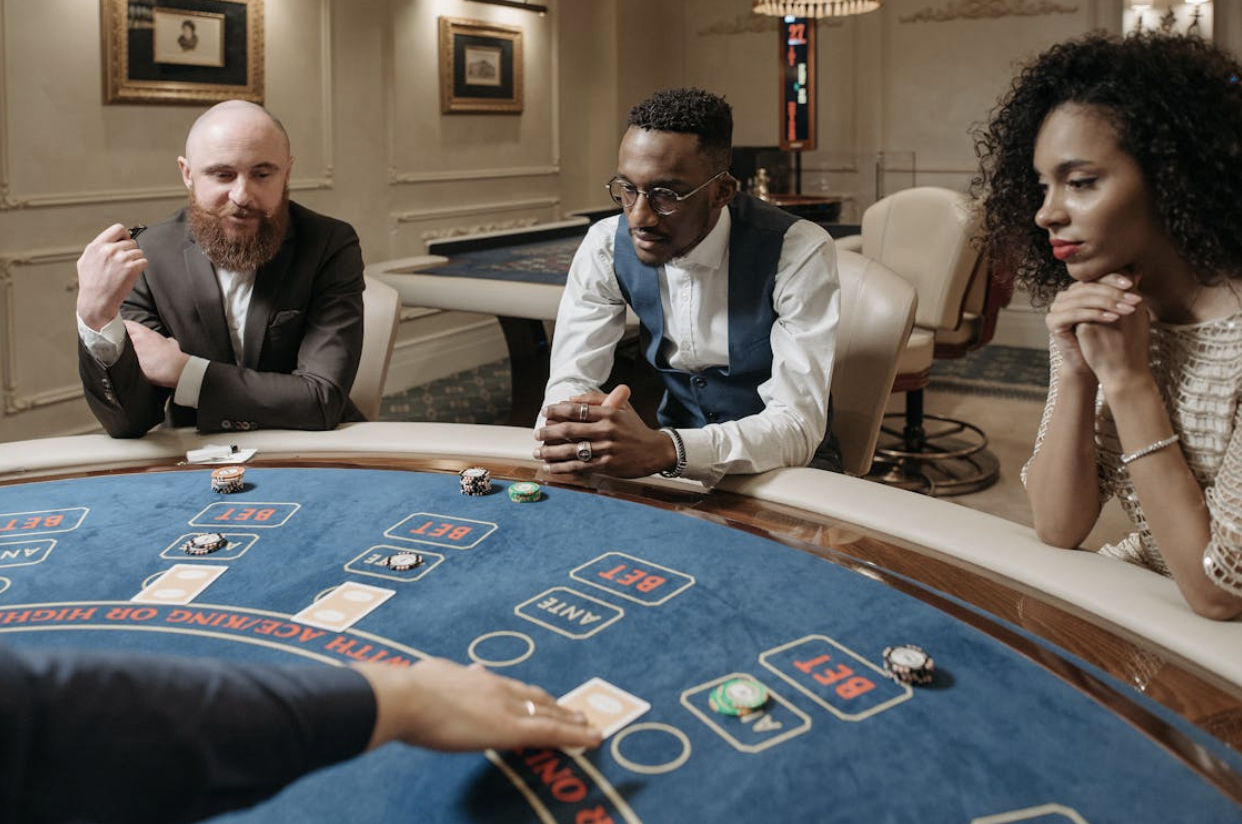
The growing popularity of platforms ranked in lists like Gizmodo’s look at Baccarat sites illustrates this appetite for tension. When players log into a บาคาร่าเว็บตรงไม่ผ่านเอเย่นต์, they are not only engaging in a game of chance but also entering a carefully crafted environment of suspense and design. This parallels how filmmakers create worlds where viewers lean forward, waiting for the next twist, pulled in by sound, visuals, and the uncertainty of what comes next.
The Language of Risk in Cinema
Cinema has always used risk as a narrative driver. Characters gamble with more than money. They risk love, loyalty, reputation, or even survival. Think of classic noir films, where a single choice can unravel a character’s life. Modern thrillers, too, often mimic the logic of a bet — a calculated risk taken in the face of danger.
This sense of risk builds emotional stakes. Viewers invest in the story because they cannot predict whether the character will win or lose. In this way, film borrows from the same human instincts that make games of chance compelling. The uncertainty is what keeps us engaged.
Aesthetic Parallels Between Casinos and Cinema
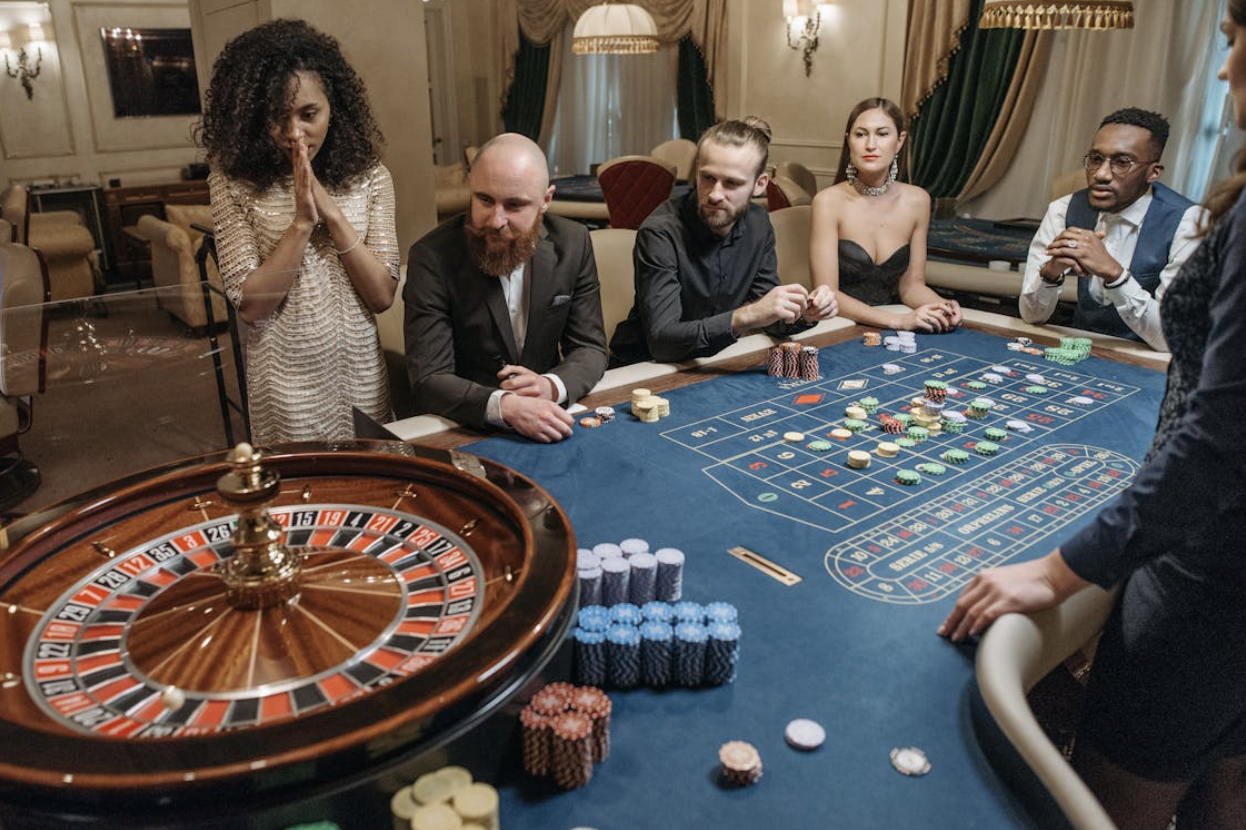
Online gambling platforms are designed for immersion. Lights, sounds, and sleek interfaces create a rhythm that keeps players focused. Cinema operates similarly, using mise-en-scène, editing, and score to hold attention. Both mediums are about constructing environments where suspense feels alive.
A director might frame a shot to heighten a character’s vulnerability, just as a digital game designer arranges colors or sound cues to increase anticipation. In both spaces, the goal is not just participation but immersion. The player and the viewer are encouraged to surrender to the experience.
Pacing and Suspense: Lessons From the Bet
Every good film relies on pacing. The slow reveal, the sudden turn, the pause before the climax — these moments echo the rhythm of a betting game. In Baccarat, the turn of each card stretches time, making the outcome feel heavier. On screen, directors use editing to manipulate time in a similar way.
A long pause before a decision, a lingering shot on a nervous face, or a sudden cut to action — all are narrative wagers. The audience holds its breath, waiting to see if the character’s risk will pay off. This shared rhythm of suspense is what makes both cinema and digital gambling so absorbing.
Characters as Gamblers
Beyond literal casino scenes, characters across genres embody the spirit of the gambler. They make choices with uncertain outcomes, often knowing the odds are stacked against them. A superhero risks their life to save a city. A romantic lead risks rejection to confess their feelings. A villain risks everything to seize power.
What makes these stories powerful is not certainty but doubt. Viewers become invested in the gamble, aligning their emotions with the risks taken by the characters. This connection is where cinema finds its deepest resonance.
The Role of Digital Culture
Digital platforms, including online gambling, are reshaping how audiences think about risk. The immediacy of a bet, the real-time feedback, and the constant accessibility influence cultural expectations. Audiences raised in this environment are used to fast stakes and quick results.
Cinema reflects this shift. Films today often adopt tighter pacing, snappier cuts, and cliffhanger endings. Just as online games keep players clicking, modern storytelling keeps viewers anticipating the next move. The influence of digital culture on cinematic rhythm is hard to ignore.
Where Cinema and Gambling Overlap
The overlap between these two worlds is not just metaphorical. Many films explicitly use gambling as a backdrop because it is a natural stage for tension. Casino Royale, Rounders, and Uncut Gems are examples where the mechanics of betting serve as both plot device and metaphor for human desire.
But even outside this genre, the logic of the wager is everywhere. From indie dramas to superhero franchises, the structure of risk and reward underpins the stories. Just like a player watching cards turn, audiences lean forward, eager to see if the characters’ gambles will succeed.
Why Audiences Crave Risk
At the heart of both cinema and gambling is the human craving for uncertainty. Risk makes us feel alive. It engages our emotions, makes us imagine possible futures, and delivers satisfaction when outcomes are revealed.
This explains why audiences keep returning to stories centered on high stakes. It is not about the win or loss alone but about the journey of suspense. Cinema, like a well-crafted game, is designed to keep us at the edge of our seat.
Conclusion: Betting on the Future of Storytelling
As digital culture grows, its aesthetics and rhythms continue to shape cinema. The parallels between gambling platforms and modern films show how risk and uncertainty remain timeless drivers of human engagement.
From the glow of a virtual card table to the darkened room of a theater, the appeal is the same: the thrill of not knowing what comes next. Between the bet and the plot, risk remains the beating heart of both play and storytelling.